

What Makes Early Childhood Support in Australia Unique?
Policy Frameworks in Australia
As someone who’s spent countless hours consulting on beauty and wellness, understanding the importance of policy frameworks in Australia is second nature to me. Just like how precise techniques can enhance a client’s natural beauty, federal and state policies are crafted to bolster community services. With my experience paralleling the structured artistry of the diploma of community services, I've come to appreciate how policies influence our daily lives, much like how the Sydney Opera House stands as a monument of careful planning and resilient execution.
One of the key challenges within this framework is navigating the dichotomy between federal and state policies. Each level has its mandates, impacting how services are executed on the ground. While federal policies provide overarching standards, it's the state-level adjustments that make these initiatives resonate locally, tailoring to unique community needs and nuances.
Understanding the impact of regulations often reminds me of ensuring compliance with health and safety guidelines in a beauty setup. They safeguard both service providers and recipients, fostering an environment of trust and quality assurance. Occasionally, it might feel labyrinthine, but the payoff in trustworthiness is immense.
Community-based initiatives form the heartbeat of these frameworks. They channel the collective efforts of local stakeholders, ensuring that policies translate into tangible support and services. Just like in beauty, where local resources and traditions can enhance service authenticity, community-driven efforts ensure that support touches every life it intends, especially crucial in sectors striving for social betterment.
Innovative Educational Approaches
Play-Based Learning
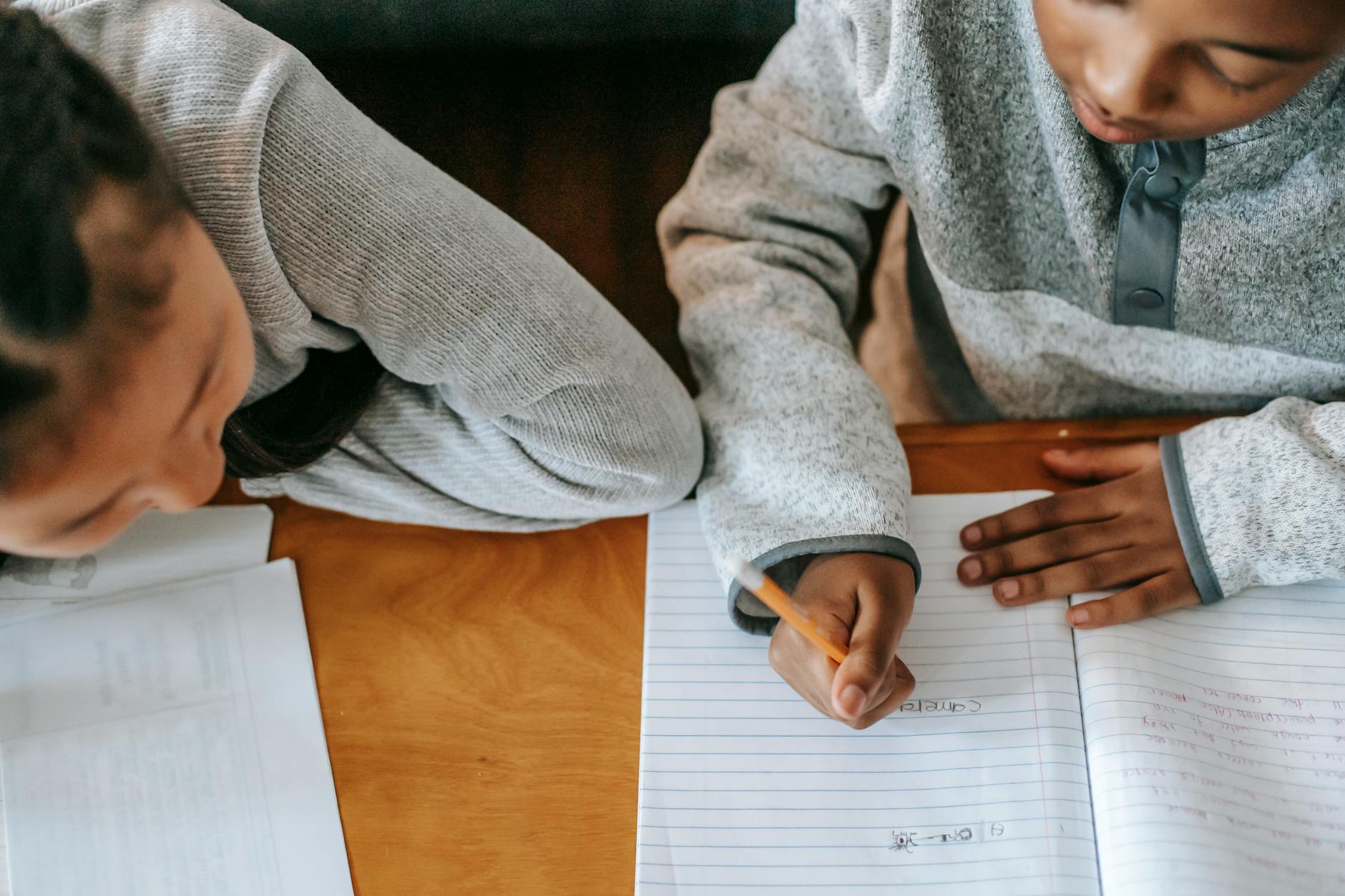
Play-based learning has always resonated with me, especially during visits to places like Bondi Beach, where creativity and exploration naturally flow. This approach taps into a child's innate curiosity, allowing them to learn through spontaneous play and interaction with their environment. It's fascinating to see how activities like building sandcastles can introduce concepts of geometry and cooperation in a way that's seamless and engaging. Through these experiences, children develop critical thinking and problem-solving skills while enjoying the process of learning.
Inclusive Classroom Techniques
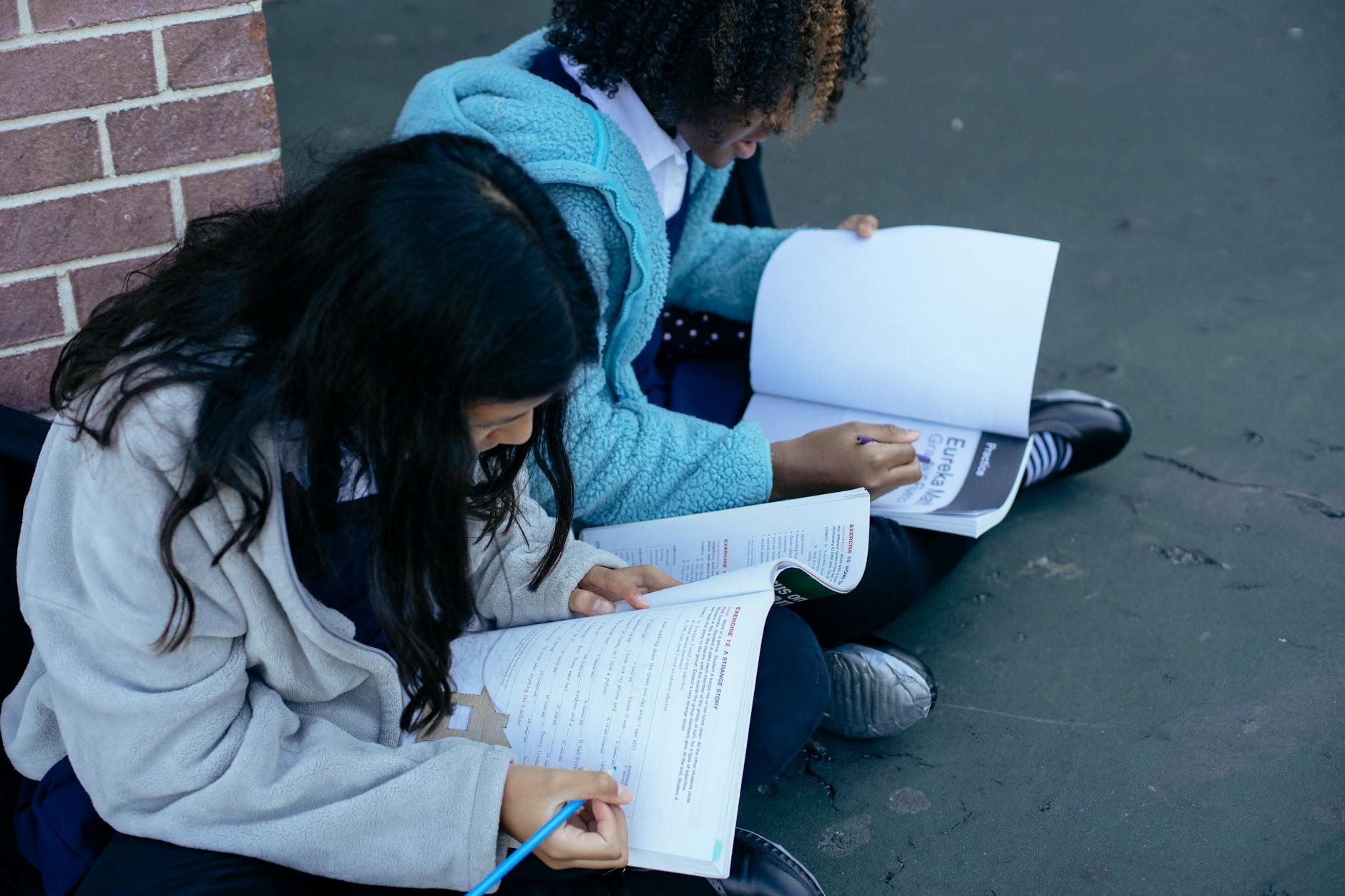
My experience as a beauty consultant in Sydney has taught me the value of inclusivity, which is just as crucial in educational settings. Inclusive classroom techniques ensure that every child feels valued and supported, regardless of their learning abilities or cultural background. This can involve adaptive teaching methods and materials that cater to diverse needs, promoting an understanding and acceptance among peers. Working closely with educators to implement these strategies encourages a more empathetic and cohesive learning environment, reflective of the principles of early childhood education.
Indigenous Perspectives
Integrating indigenous perspectives into education offers a rich tapestry of knowledge and culture that enhances the learning experience. By acknowledging and incorporating the wisdom and traditions of Indigenous Australians, educators can foster a deeper connection to the land and community. This approach not only enriches the curriculum but also promotes respect and awareness among students for the diverse cultural heritage present in Australia. Sharing stories and practices from Aboriginal and Torres Strait Islander backgrounds is invaluable, adding depth and meaning to the educational journey.
Leading Strategies in Early Childhood Support
Strengthening Community Involvement
Living and working amidst vibrant Sydney, I often find myself drawing parallels between iconic landmarks like the Sydney Opera House and the sense of community in early childhood support. Just as the Opera House is a city icon, community involvement forms the backbone of successful early childhood initiatives. Encouraging parents and community members to participate actively in children's early education experiences not only enhances engagement but also fosters a more profound sense of collective responsibility. From hosting community events at local spots like Bondi Beach to organising sessions at The Royal Botanic Garden, these gatherings promote information sharing. Such collective efforts empower us to create more enriching environments for our kids.
Cultivating Effective Communication
In Sydney’s fast-paced lifestyle, effective communication becomes paramount, much like planning a smooth day at the beach. Understanding the complexities of communicating with families and educators requires finesse. It involves clearly articulating information and offering pathways for feedback. Tools like newsletters, digital apps, or even social gatherings can bridge communication gaps. I recall the magic of a simple emails aligning everyone towards the same goal, much like synchronising a beautiful dance performance where everyone knows their steps. Nurturing open lines of communication ensures all voices are heard, enhancing the vitality of early childhood education.
Embracing Professional Growth
Continuous professional development is akin to the never-ending ocean waves at Bondi Beach. Its constancy provides structure and support for both seasoned educators and newcomers alike. Regular training sessions and workshops keep the teaching community informed and skilled, ultimately improving outcomes for children. This commitment to growth underscores the importance of being proactive in seeking opportunities for learning and review every game. By fostering a culture of improvement and curiosity, educators can better cater to the evolving needs of children, making early childhood support a thriving reality.